A Beginner’s Guide
Start your journey here! This foundational guide explains what is CBD, how it interacts with your body’s endocannabinoid system, and the difference between CBD, THC, and other cannabinoids. Essential reading for anyone new to cannabidiol.
A Beginner’s Guide to Cannabidiol
Welcome to Elite CBD’s foundational guide on What is CBD? If you’re just starting to explore the world of cannabidiol, you’ve come to the right place. CBD has rapidly gained popularity for its potential wellness benefits, but understanding exactly what it is, where it comes from, and how it works can be a bit overwhelming. Our goal is to demystify CBD, providing you with clear, accurate, and easy-to-understand information.
CBD Explained: Beyond the Hype
CBD stands for cannabidiol, one of over 100 naturally occurring compounds found in the Cannabis sativa plant. Unlike its more famous cousin, tetrahydrocannabinol (THC), CBD is non-intoxicating, meaning it will not produce the “high” associated with marijuana. This makes CBD an attractive option for those seeking the potential therapeutic benefits of cannabis without the psychoactive effects.
Where Does CBD Come From? Hemp vs. Marijuana
Both hemp and marijuana are varieties of the Cannabis sativa plant. The key difference lies in their chemical composition, specifically their THC content:
- Hemp: By legal definition in the United States (2018 Farm Bill), hemp is a cannabis plant that contains 0.3% or less THC by dry weight. Most CBD products are derived from hemp.
- Marijuana: Cannabis plants with more than 0.3% THC are classified as marijuana.
This distinction is crucial for understanding CBD legality and product sourcing.
How Does CBD Work in Your Body? The Endocannabinoid System (ECS)
The magic behind CBD’s potential effects lies in its interaction with your body’s Endocannabinoid System (ECS). The ECS is a complex cell-signaling system discovered in the early 1990s. It plays a crucial role in regulating a wide range of functions and processes, including:
- Sleep
- Mood
- Appetite
- Memory
- Reproduction and fertility
- Inflammation
- Pain sensation
The ECS consists of three main components:
- Endocannabinoids: Naturally produced compounds in your body (e.g., anandamide, 2-AG).
- Cannabinoid Receptors: Found throughout your body (CB1 and CB2 receptors), to which endocannabinoids bind.
- Enzymes: Proteins that break down endocannabinoids once they’ve served their function.
Unlike THC, which binds directly to CB1 and CB2 receptors, CBD is thought to work indirectly. It may influence the ECS by preventing enzymes from breaking down endocannabinoids, allowing them to have a greater effect on your body. This indirect action is why CBD is non-psychoactive but can still offer a wide array of CBD benefits.
CBD vs. THC: Understanding the Key Differences
It’s vital to distinguish between CBD and THC, as they are the two most prominent cannabinoids, but with very different effects:
| Feature | CBD (Cannabidiol) | THC (Tetrahydrocannabinol) |
|---|---|---|
| Psychoactive | No (non-intoxicating) | Yes (produces a “high”) |
| Source | Primarily hemp (low THC), also marijuana | Primarily marijuana (high THC), also hemp (low THC) |
| Legality | Federally legal in the U.S. (from hemp, <0.3% THC) | Federally illegal in the U.S., legal in some states |
| Interaction with ECS | Indirectly influences ECS, modulates receptors | Binds directly to CB1 (brain) and CB2 (immune) receptors |
Types of CBD Products: A Quick Overview
As you explore the CBD market, you’ll encounter different forms of CBD, each offering unique benefits:
- Full-Spectrum CBD: Contains all compounds found naturally in the cannabis plant, including cannabinoids (like CBD, trace THC, CBG, CBN), terpenes, and flavonoids. The trace amounts of THC are below the legal limit (0.3%).
- Broad-Spectrum CBD: Contains all compounds found in the cannabis plant, except THC. It undergoes an additional process to remove THC.
- CBD Isolate: Pure CBD, with all other plant compounds removed. It contains 0% THC.
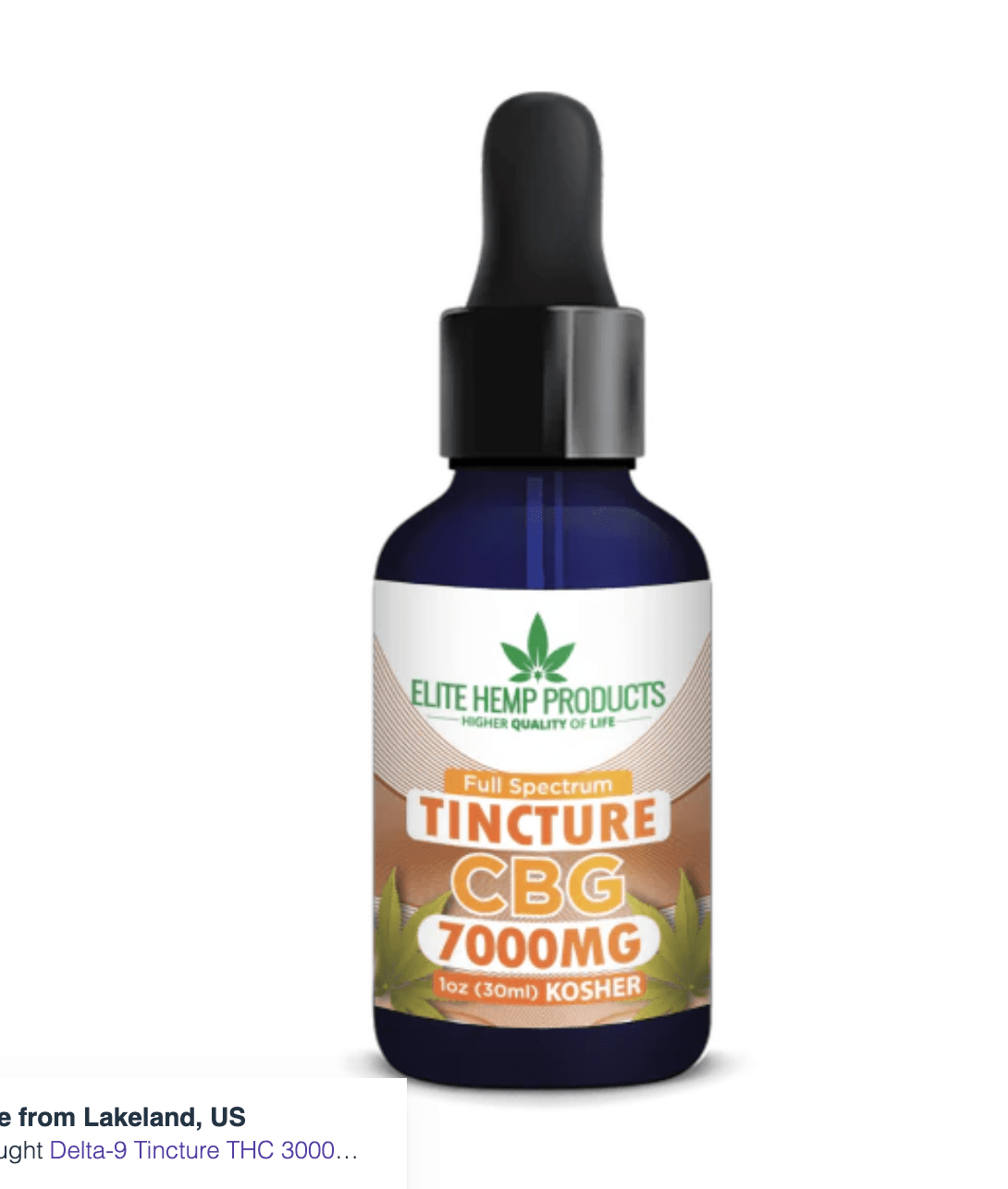
Each type offers a different experience, often related to the “entourage effect,” where cannabinoids and terpenes work synergistically.
Your Next Steps in Understanding CBD
Now that you have a foundational understanding of what is CBD, you’re ready to dive deeper. We encourage you to explore our other comprehensive CBD guides to learn about its potential benefits, proper dosage, legal aspects, and how to choose the best CBD products for your individual needs.
- Explore CBD Benefits: Exploring the Potential of Cannabidiol
- Learn About CBD Dosage: How Much CBD Should I Take?
- Discover How to Choose the Best CBD Products: A Buyer’s Guide
CBD Beginner FAQs
1. Will CBD show up on a drug test? Most drug tests look for THC, not CBD. While our Full-Spectrum products contain less than 0.3% THC (the legal limit), those concerned about drug testing should opt for our CBD Isolate or Broad-Spectrum options which are 100% THC-free.
2. How long does it take for CBD to start working? It depends on the method! Tinctures taken sublingually (under the tongue) usually take 15–45 minutes, while edibles like gummies can take 60–90 minutes as they pass through the digestive system.
3. Is it possible to take too much CBD? CBD is generally well-tolerated even in high doses. However, we recommend starting with a low dose (25mg) and gradually increasing it until you reach your desired “Elite” level of wellness.
Your journey to CBD wellness is just beginning, and Elite CBD is here to guide you every step of the way!